Kittens

Kittens

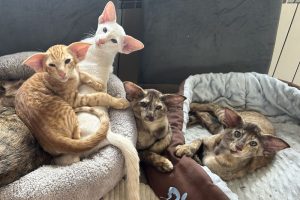
Naughty kittens - 09.01.2026

Kind of Khloe

Monichiwa*PL

+

Orifiel

Gwiazda Orientu*PL

Available Available Option Reserved Reserved Stays Not for sale

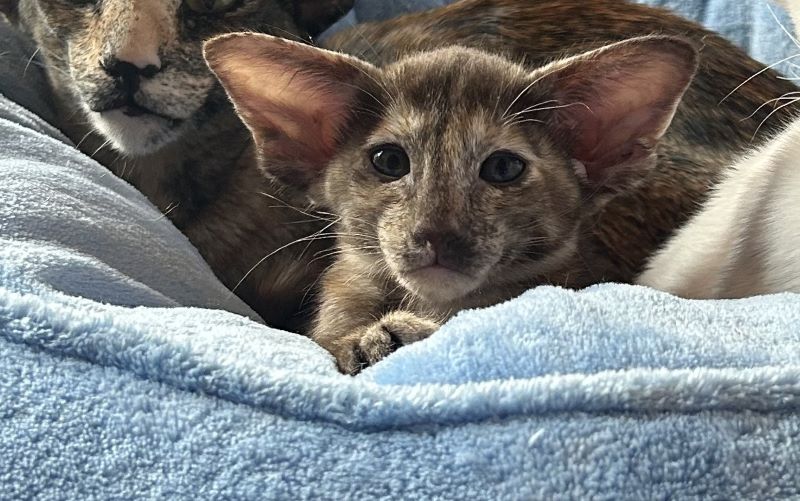
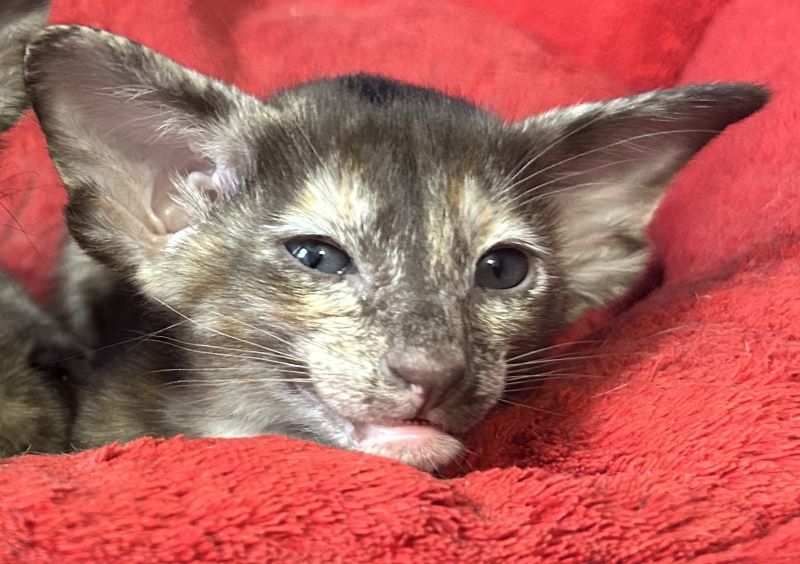
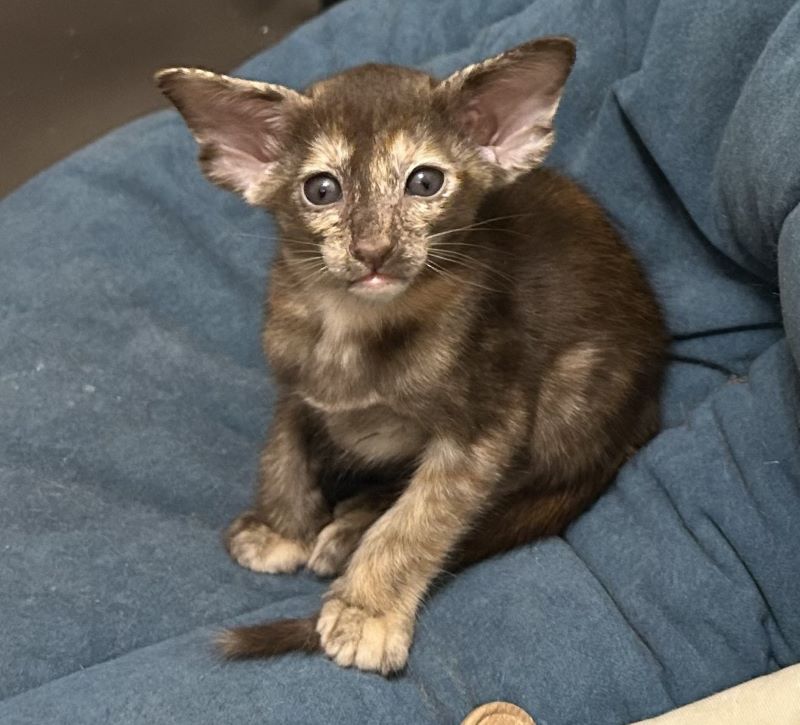
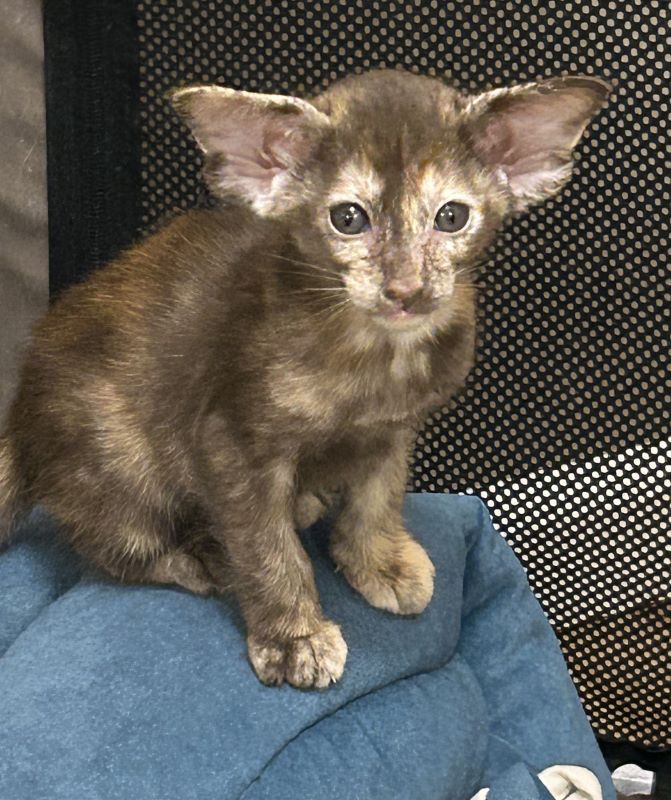
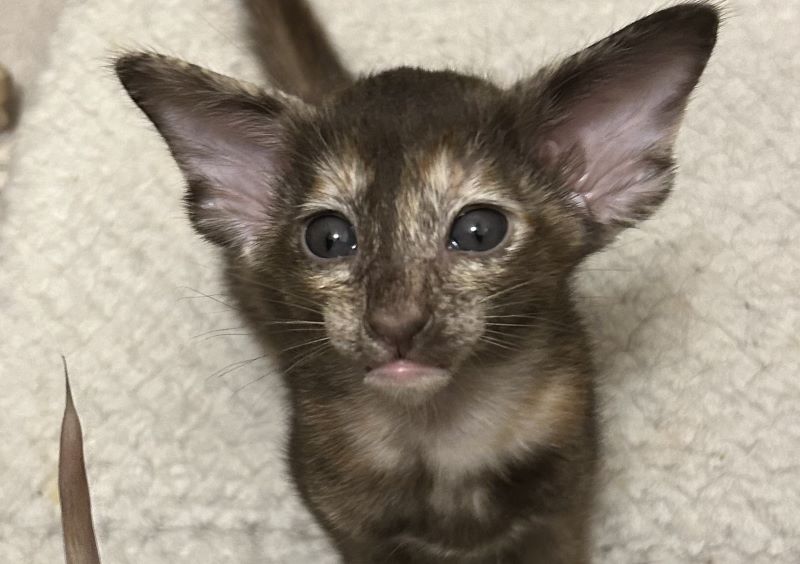
Naughty Nori

Oriental Shorthair chocolate tortie, female - OSH h

Reserved
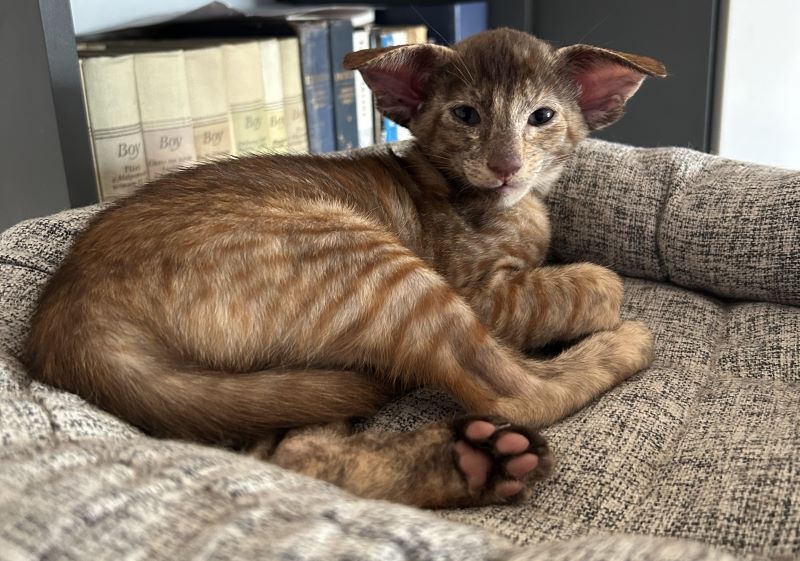
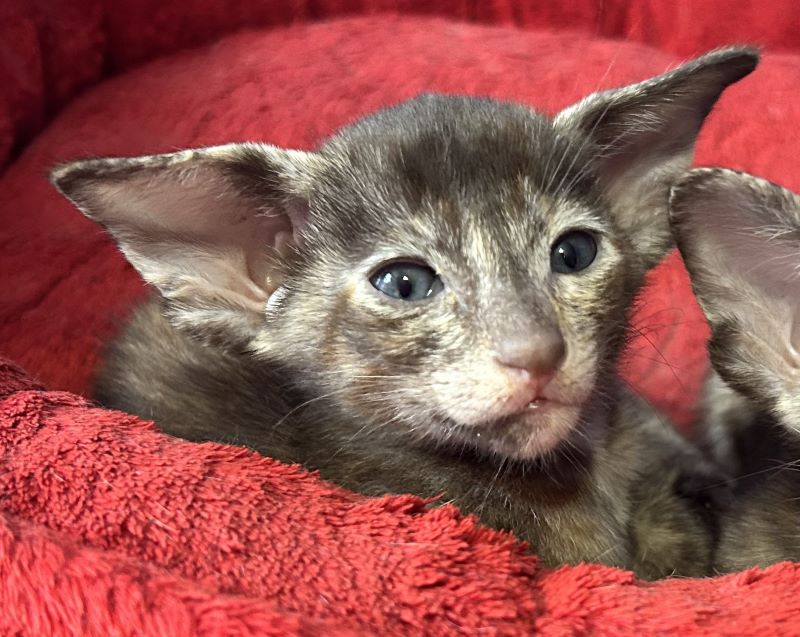
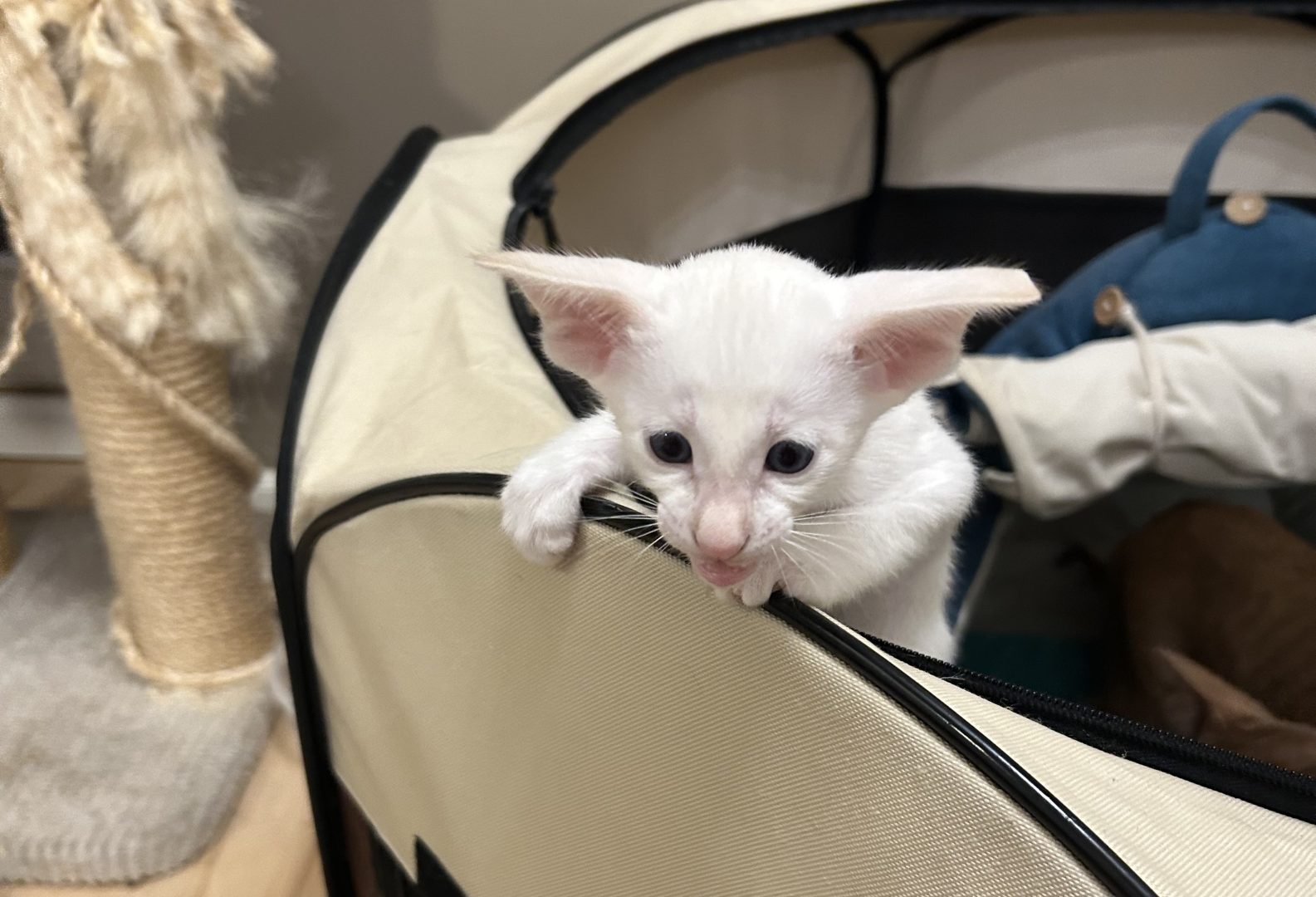
We have a habit of posting photos of the kittens in the order they were born (in fact that’s also how we usually think of them), and this time is no different. Nori is the firstborn of the Naughty litter. The time from the first signs of labor to the appearance of the first kitten felt rather long to me this time, but finally Nori (who of course didn’t have a name then) announced her arrival with a piercing scream. For the first days of her life our girl continued to be the loudest kitten in the litter, but over time that changed. The title of biggest screamer passed to the Siamese Nico, and Nori became part of “that well-behaved trio” - until that turned out not to be the case. We raise each of our litters in a similar way. A typical maternity setup is usually a large box with a lid and a hole cut in the side for the queen. When the post-birth excitement dies down and the kittens - calm and tended by their mother - are dozing or nibbling, it’s time for a tidy-up. The box goes away, and the whole gang is installed in a birthing box whose entrance is closed by a flap that can be fastened in two positions - about 10 or 20 cm above the floor- or closed completely. For newborn kittens, a ten-centimeter rim is perfectly sufficient. However, there comes a moment when the kittens become active enough to start escaping the nest: first accidental tumbles, then the first deliberate attempts to get out... Finally, around the fourth week of life the phenomenon becomes so widespread that it’s time for the next stage: the box is placed inside a canvas playpen and opened completely. The kittens’ behavior changes in the blink of an eye. Previously they spent their time relatively quietly in one square meter; after being moved to the playpen they immediately become more active. The first clumsy sprints begin, tentative wrestling matches, climbing attempts. The length of the “playpen” stage varies by litter. Once it lasted no longer than three days - that was how long it took Lucky Lewis to master climbing the mesh wall and getting out the top. The Naughty kittens were not very troublesome in this respect. They lasted a full two weeks and one day. When we began to see Nico on our bed more often than in the playpen (he quickly realized that the 10 cm gap between the top edge and the bed was something even a four-week-old Siamese could jump), it was time for the next stage: moving the whole gang with the playpen from the bedroom to the study and opening it up. Again, the developmental leap that happens at this point is astonishing. The transition from surprise that you can easily and legitimately get out of the playpen to full mastery of the new space — scratching posts, toys, mattress, radiator lounger, etc. - took the kittens maybe two hours. And here we come back to Nori, because our firstborn, thanks to her slender build (the introduction of solid food caused our girls to swap places weight-wise: Nori turned out to be a lady who eats just to satisfy her hunger, while the tiny one at birth, Nigiri, was a real glutton), proved to be the most determined explorer and climber.

Naughty Nico

Siamese red, male - SIA d

Reserved
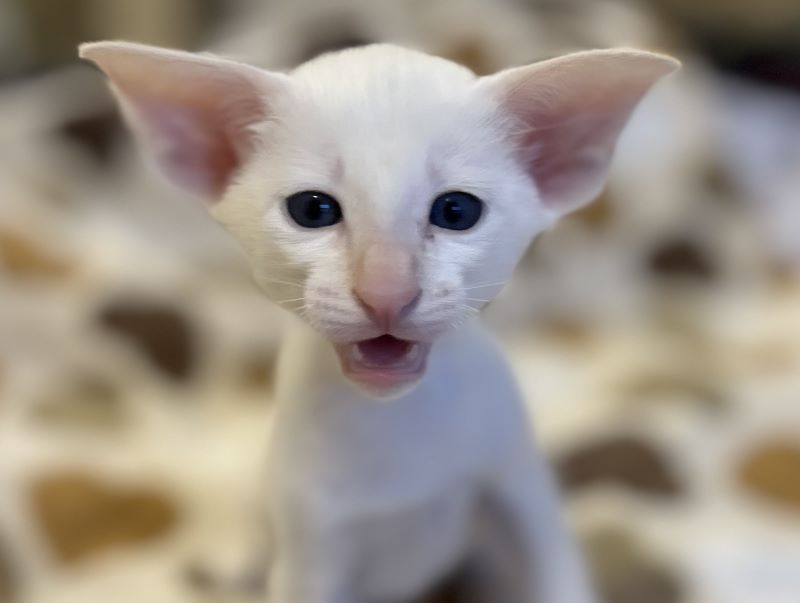
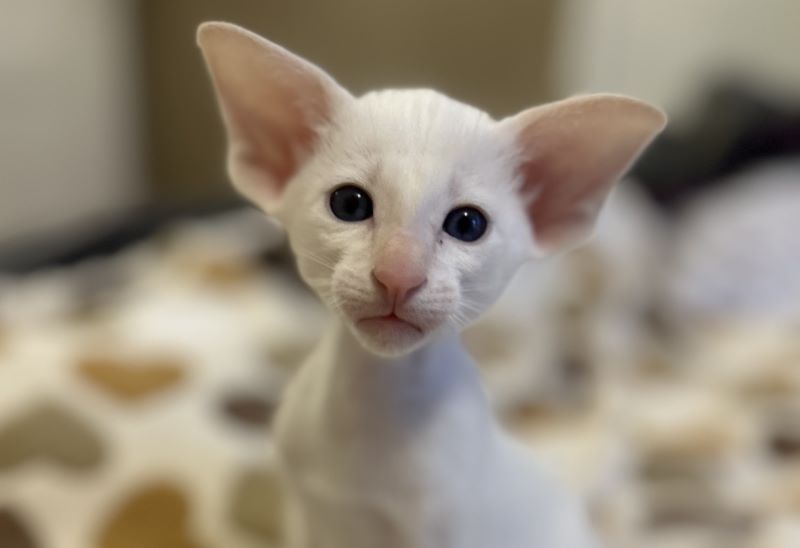
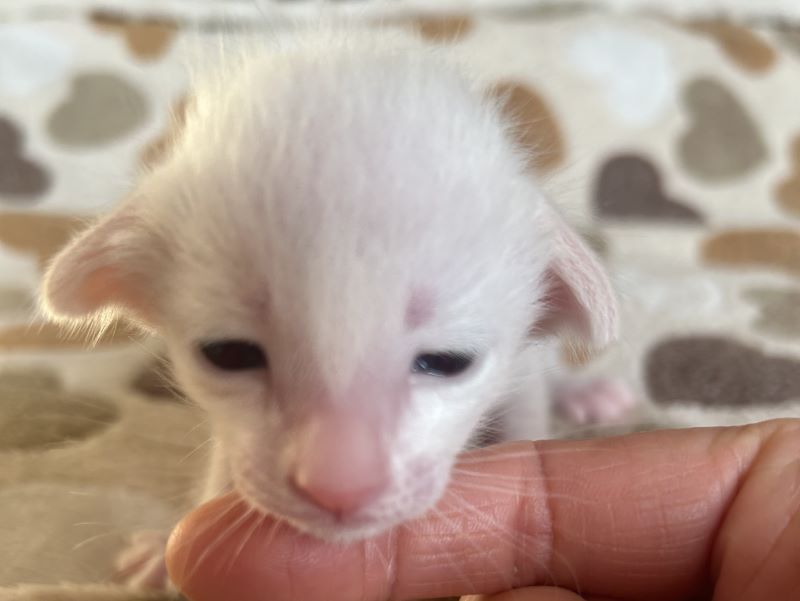
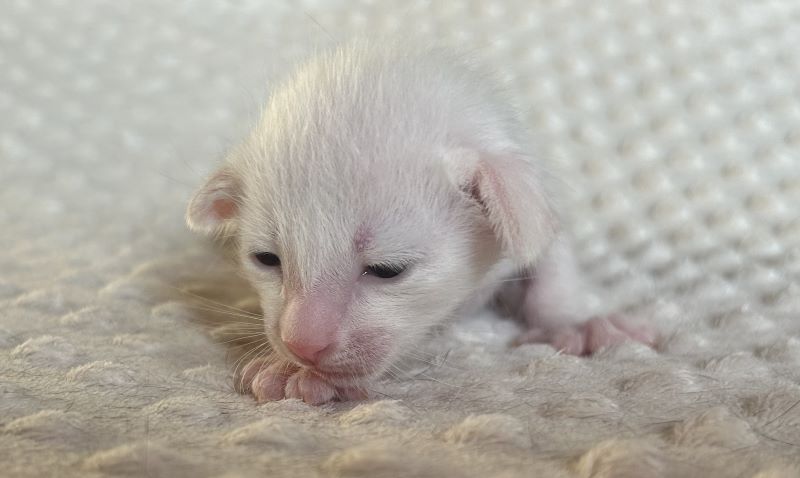
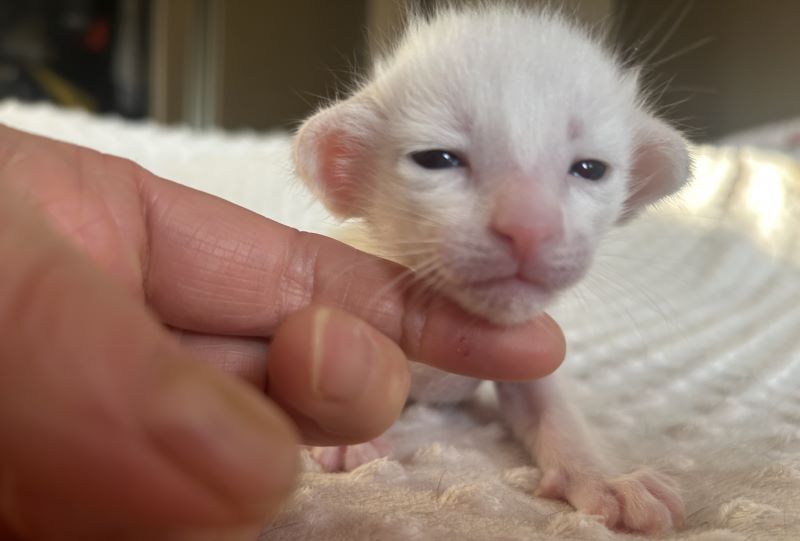
Little Nico was the second to be born. We knew that the prospect of Siamese kittens in this litter was entirely possible and we were fully prepared for it. That preparation mainly consisted of a supply of colored nail polishes, which are the quickest way to mark newborn kittens. Siamese (and in general all pointed cats) are born pure white and only gradually develop their final color on the cooler parts of the body - the face, ears, paws and tail. And since being able to tell the kittens apart is essential for us breeders - for example, to track early weight gains, which are the best indicator of their health and condition - each of us has our own marking methods. My long-term method is colorful elastic bands tied around their necks so they’re not too tight but not so loose that a kitten could catch them on something while moving. But before it’s time for the bands, immediately after birth I mark them provisionally by painting a claw with colored nail polish, so having a good supply on hand during delivery is essential. This time Nico’s claw was painted burgundy - a bit generously. The little fellow is the only Siamese in the litter, so distinguishing him from his siblings is no problem. Nico quickly showed his personality - an extreme cuddler with ADHD. Opening the playpen allowed him to channel his needs a bit - he could finally run around. But before that... he greeted everyone who entered with a piercing scream from our “Blondie” hanging on the playpen mesh: “Pleeease pet me right now! Better pick me up!” It was Nico who learned to get out of the playpen deliberately and repeatedly (earlier we’d occasionally found Nigiri and Neo on the floor beside it, but those were accidents during climbing rather than planned escapes), which shortened the kittens’ stay in the bedroom but also earned them the freedom to run around the whole room they were moved to.

Naughty Neo

Oriental Shorthair red, male - OSH d

Reserved
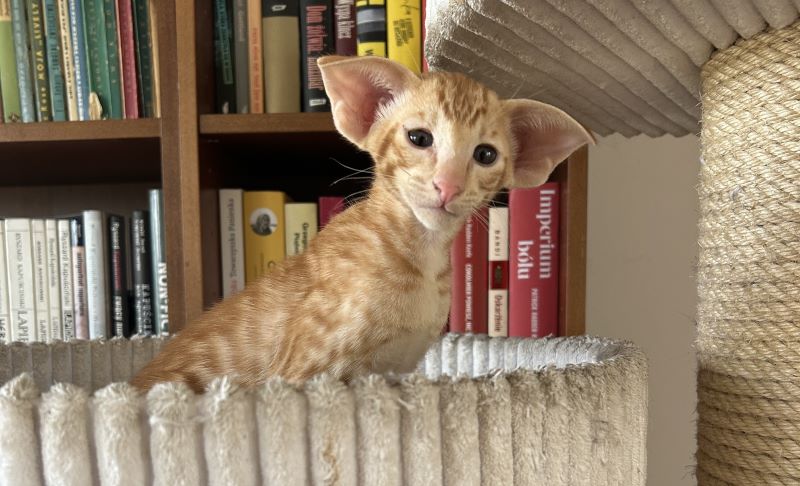
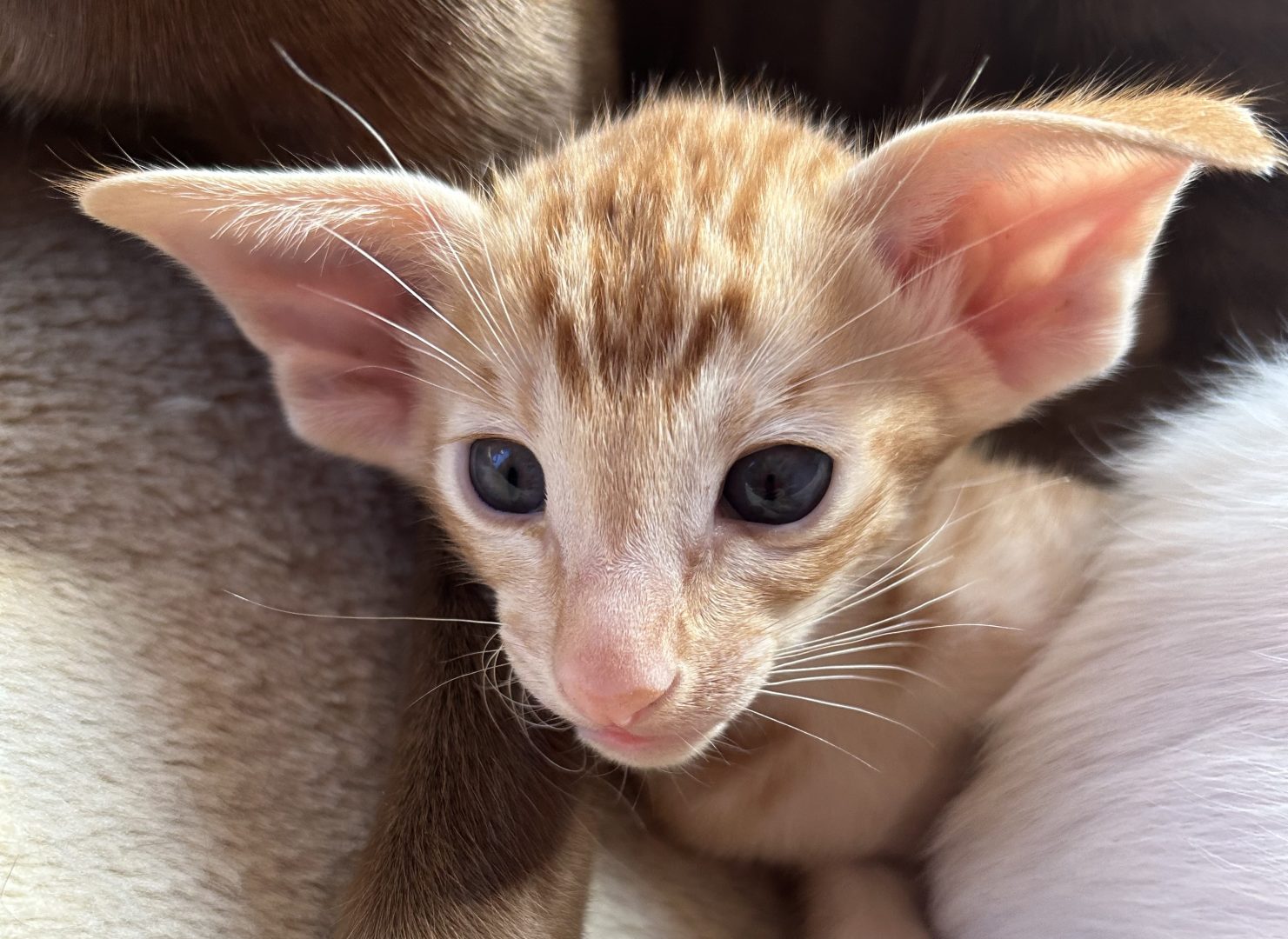
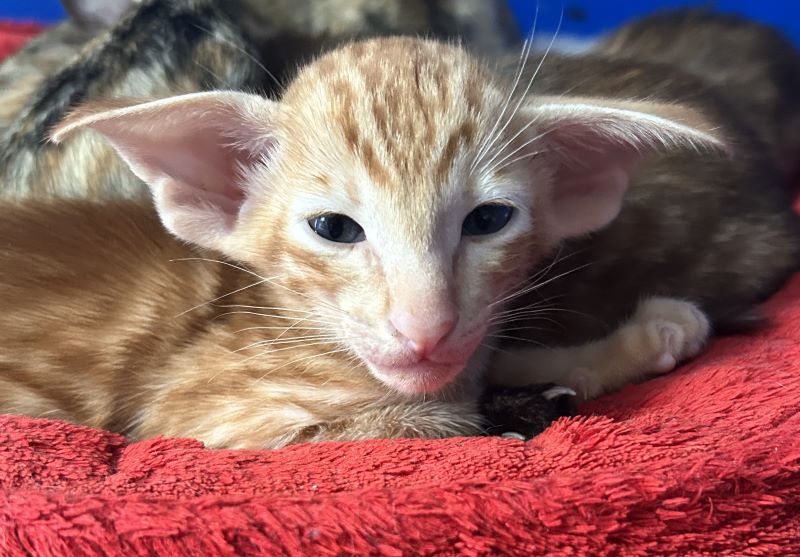
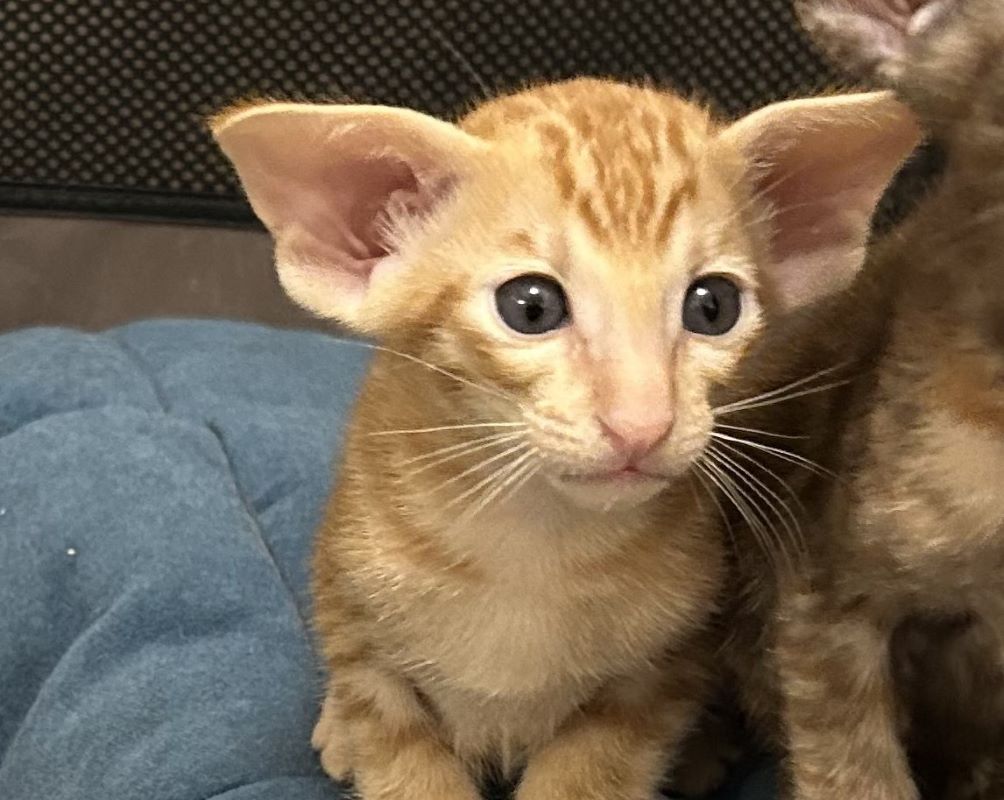
Neo, kitten number three, is the first red in our cattery, even though we’d had several chances for that coloring before. The red “overlay” on the base color (a red kitten actually carries a full set of genes for its underlying base color beneath the red) is inherited in a characteristic way unique to this color. The gene responsible for it is located only on the X chromosome. That’s why male cats, with XY chromosomes, need only one copy of the red gene inherited from either parent to express the color, whereas females, with XX chromosomes, need to inherit it from both parents to be red. A female with the red gene on one X chromosome and not on the other is a tortoiseshell, meaning the red is mixed with her base color. So in the Kind of litter, fathered by the red tabby Dumbo Biały Lotos*PL, and in Mighty, the litter of the tortoiseshell Kind of Khloe, there was a good chance that one of the males would be red. But it hadn’t happened - until now - even though those litters produced as many as 11 kittens between them (including four males). In terms of temperament, at least during the first weeks of life (experience teaches that it’s worth writing down such first-stage observations, because very soon, in new developmental circumstances, each kitten’s disposition changes a lot and we won’t remember how they were before), Neo definitely belonged to the “well-behaved trio.” He was most useful, however, during the transition to solid food. Kittens respond to that in different ways. Some start eating as soon as their first-ever bowl is put down; others need a bit more time and encouragement - having food offered to their mouth or being allowed to lick it from the caregiver’s finger, which can take several days. Some individuals are completely resistant. We haven’t had one of those, but questions about how to get such kittens to eat appear regularly in cat groups. Neo is a first-type kitten. He needed no encouragement: the food was served, so he ate.

Naughty Nigiri

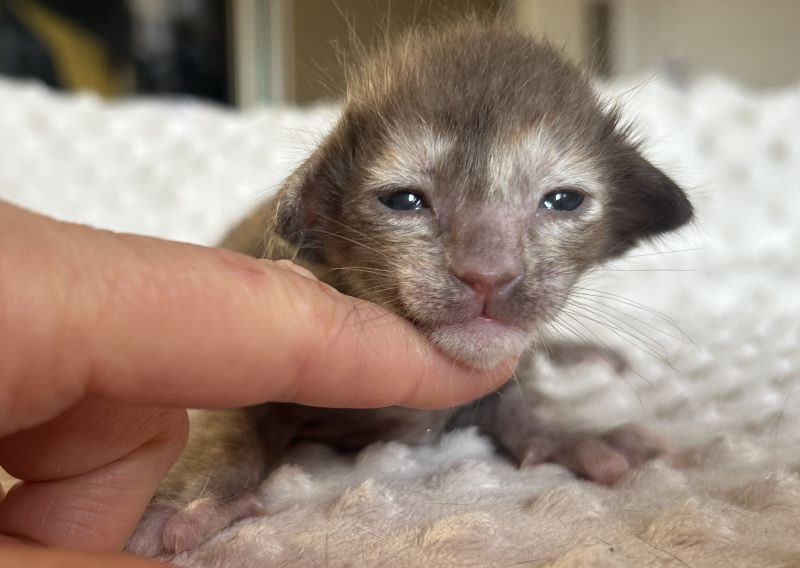
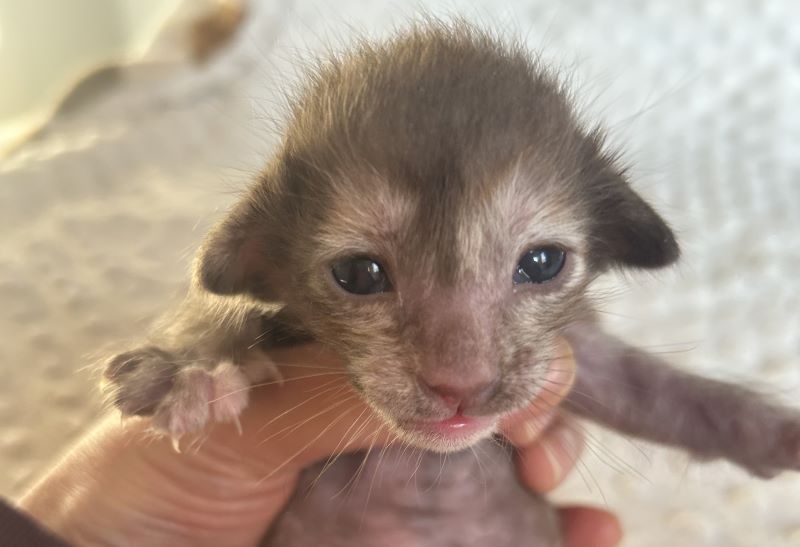
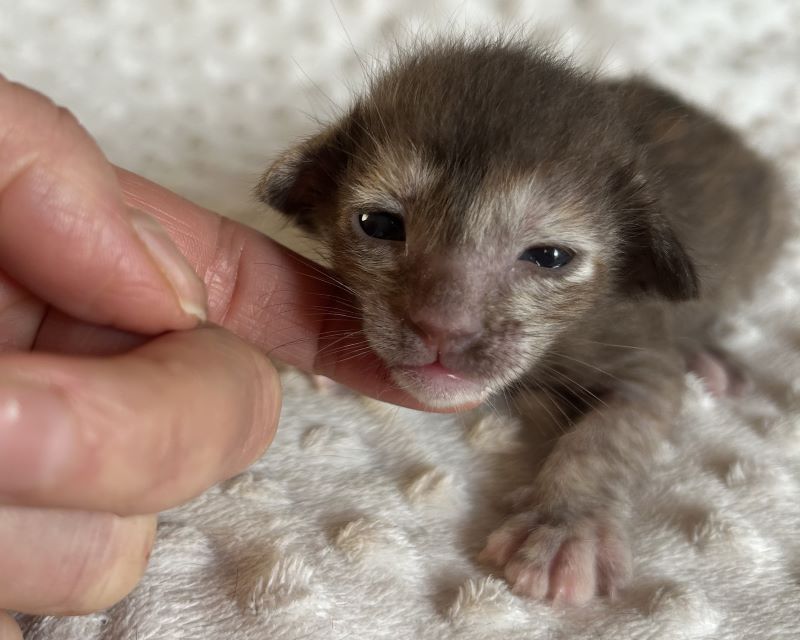
Oriental Shorthair cholocate tortie, female - OSH h

Reserved
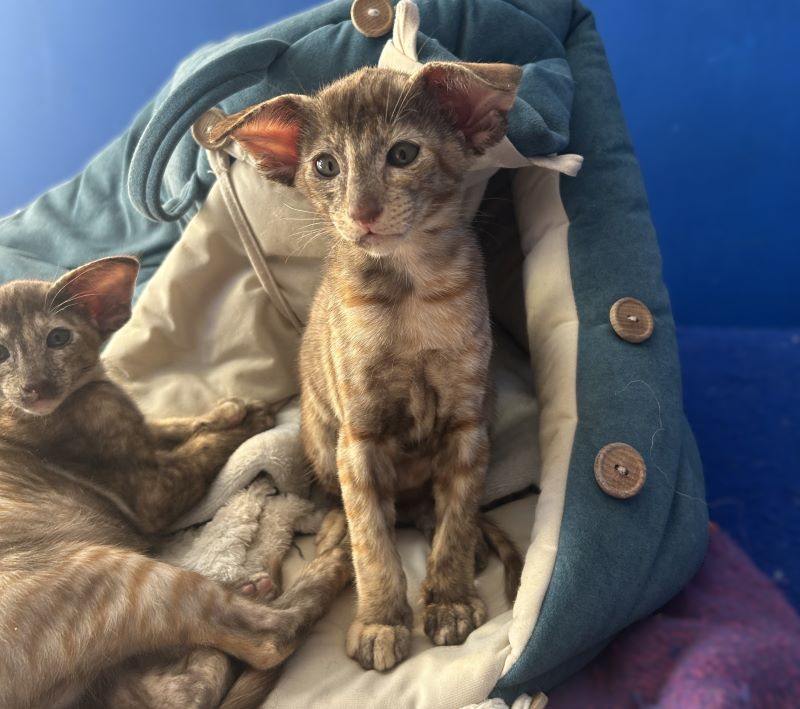
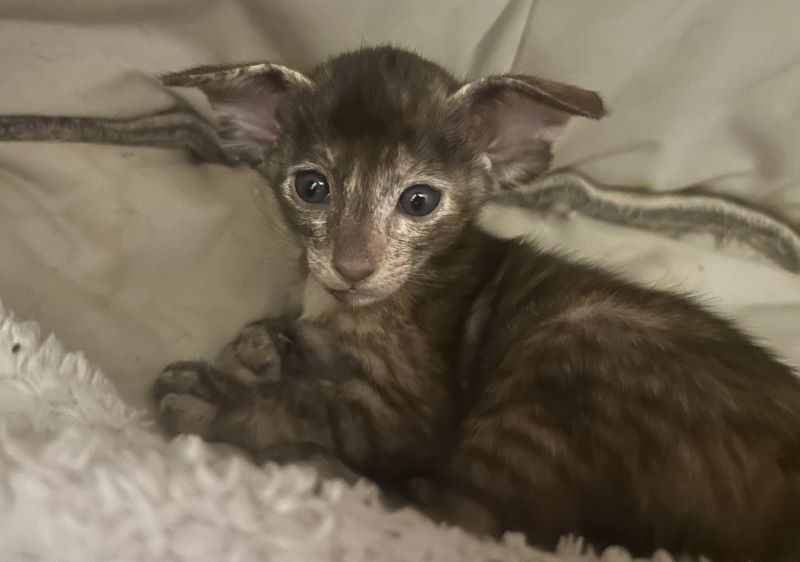
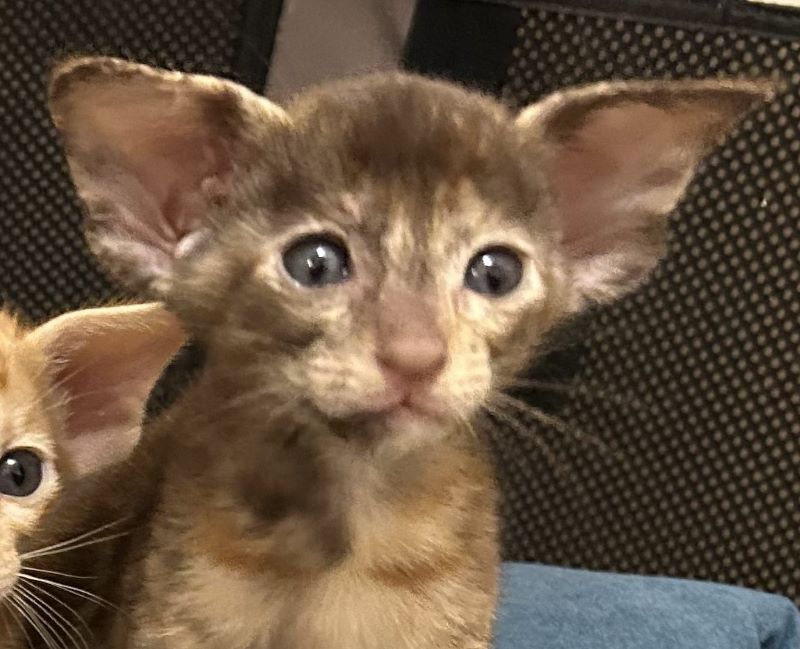
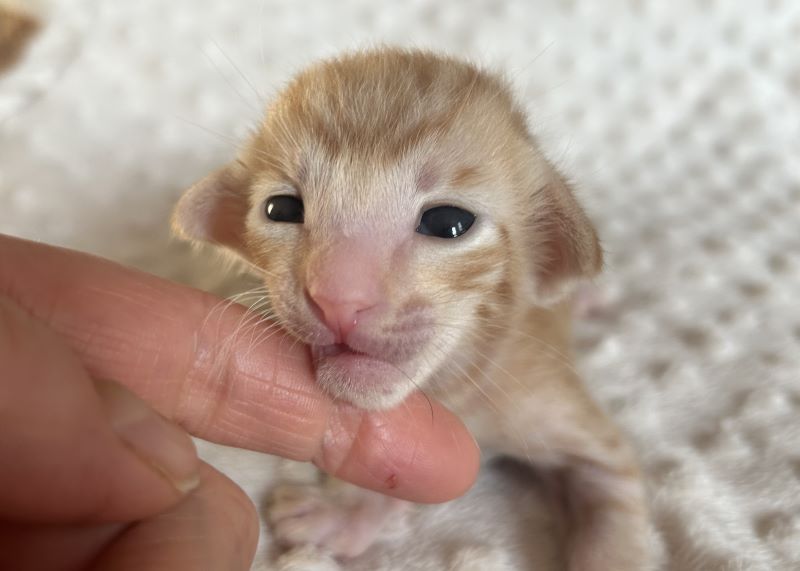
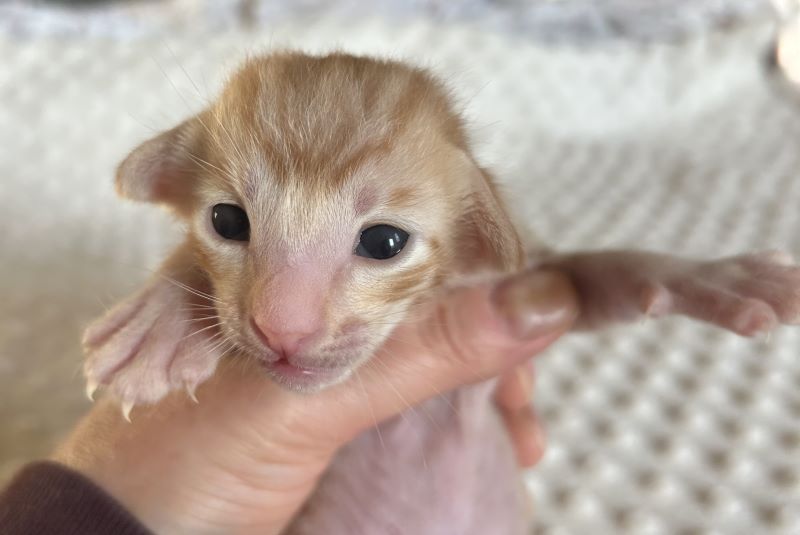
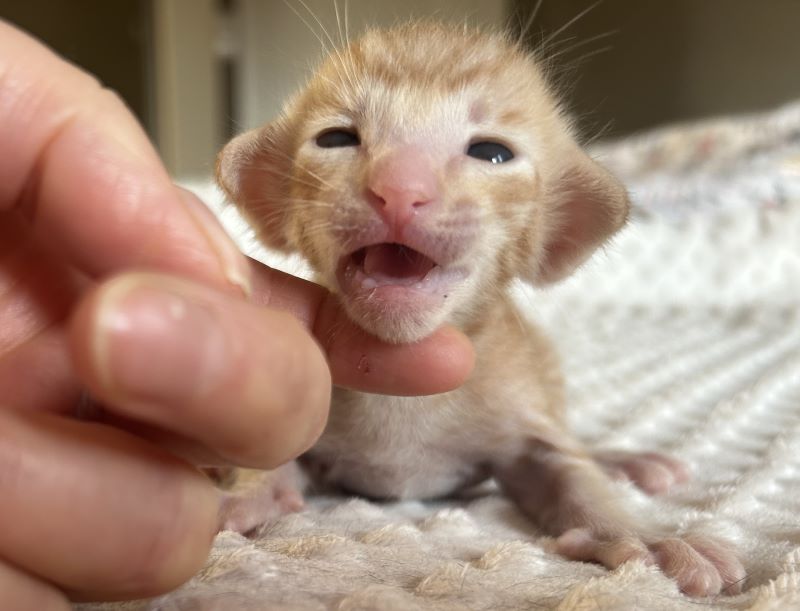
Nigiri was supposed to be named Nori (we were still deciding on a name for our firstborn), but fortunately we had an epiphany in time. Naming the lighter of the tortoiseshells after a seaweed so dark green it looks almost black - the one used to wrap sushi - would have been at least illogical. So the darker girl became Nori, and we found another thematically related name for the lighter one. Our Nigiri was born last and showed no signs of life - motionless, limp, quiet, covered in the amniotic sac. That isn’t very unusual in cats, but I can’t think of a more satisfying experience than the moment when, after vigorous efforts - rubbing, swinging, suctioning the airways - the kitten slowly “comes to life.” First she opens her mouth silently, then you see rapid breathing, until finally the first squeak appears. That’s exactly how it was with our Nigiri. Of course such a kitten becomes the focus of special care - we’re especially alert to any signs of weakness, particularly when, like Nigiri, she’s born significantly smaller than her siblings. Nori, Nico and Neo all weighed over 100 g at birth, which is more than decent for Orientals and Siamese, whereas Nigiri weighed just 76 g. The difference between her and the rest of the litter persisted throughout the regular weighing period. And then, unexpectedly… Shortly after the introduction of solid food Nigiri turned out to be the second type - a kitten who needs a bit more time to take to a new diet - but once she did… in terms of weight she long ago outpaced her dainty sister at the bowl - from above she now looks completely like a little doughnut on tiny legs. She’s also the biggest individualist in the litter. Of course she joins in the group play, but she often finds a place to sleep apart from the other three. Even now, as I write, Nori, Nico and Neo are curled up and sleeping soundly on the radiator lounger, while Nigiri has found a spot in a sunny patch between her mother and her half-sister Muriel, who during the playpen stage very actively helped care for the kittens.